
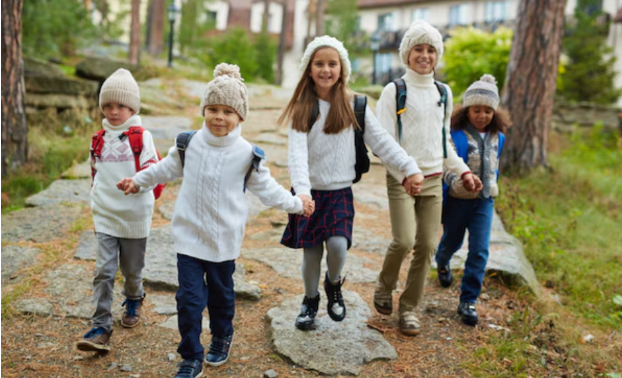


Summer is a time for growth, adventure, and making new memories. For adopted children, summer camps can be more than just a fun break from school—they can play a crucial role in helping children develop socially and emotionally. A well-structured summer camp can provide a safe and supportive environment where children learn to connect with others, build confidence, and explore their identities. In this article, we will explore how a summer camp for adoptees can help children thrive in meaningful ways.
Social Skills Development at Summer Camp for Adoptees
One of the most important benefits of a summer camp for adoptees is the opportunity to develop social skills. Adopted children may have unique experiences that affect how they relate to peers. At camp, children interact with other campers through team activities, games, and group projects. These experiences encourage communication, cooperation, and empathy. Camp counselors often create structured social opportunities that help children practice forming friendships and resolving conflicts. Over time, these social interactions help children feel more comfortable around peers and improve their ability to work in groups.
Emotional Growth for Adoptees
Summer camps also provide a supportive space for emotional growth. Children can express their feelings freely, knowing they are in a safe and understanding environment. Activities such as art, music, and storytelling allow campers to explore emotions and share experiences. For adopted children, having counselors trained in adoption-related issues can be especially valuable. They provide guidance and reassurance, helping children navigate feelings of identity, belonging, and self-esteem. By learning to recognize and manage emotions, campers gain confidence and resilience that extends beyond the camp experience.
Building a Sense of Belonging at Summer Camp
Another key aspect of a summer camp for adoptees is creating a sense of community. Being around peers who have similar experiences can help children feel understood and less alone. Camps often include group discussions, mentorship programs, and shared activities that foster connections. This environment helps children build meaningful relationships and strengthens their sense of belonging. Feeling part of a supportive community encourages positive self-image and reduces feelings of isolation or uncertainty that some adopted children may experience.
Encouraging Independence and Self-Confidence
Summer camps also help children develop independence and self-confidence. Living away from home, even for a short period, allows children to take on responsibilities, make decisions, and try new things. Overcoming challenges like learning a new skill, participating in sports, or performing in a camp show helps children recognize their abilities. For adopted children, these experiences are especially empowering, as they reinforce a sense of competence and self-worth. Counselors support campers through encouragement and positive reinforcement, further boosting confidence.
Conclusion
In summary, a summer camp for adoptees is more than just a place for fun and games. It is a nurturing environment that promotes social skills, emotional growth, a sense of belonging, and confidence. By providing opportunities for connection, self-expression, and personal growth, summer camps help adopted children thrive both socially and emotionally. These experiences can leave lasting positive effects, equipping children with tools to navigate life’s challenges while building lasting friendships and memories. For parents and guardians, enrolling a child in a summer camp for adoptees can be an investment in their child’s overall well-being and development.